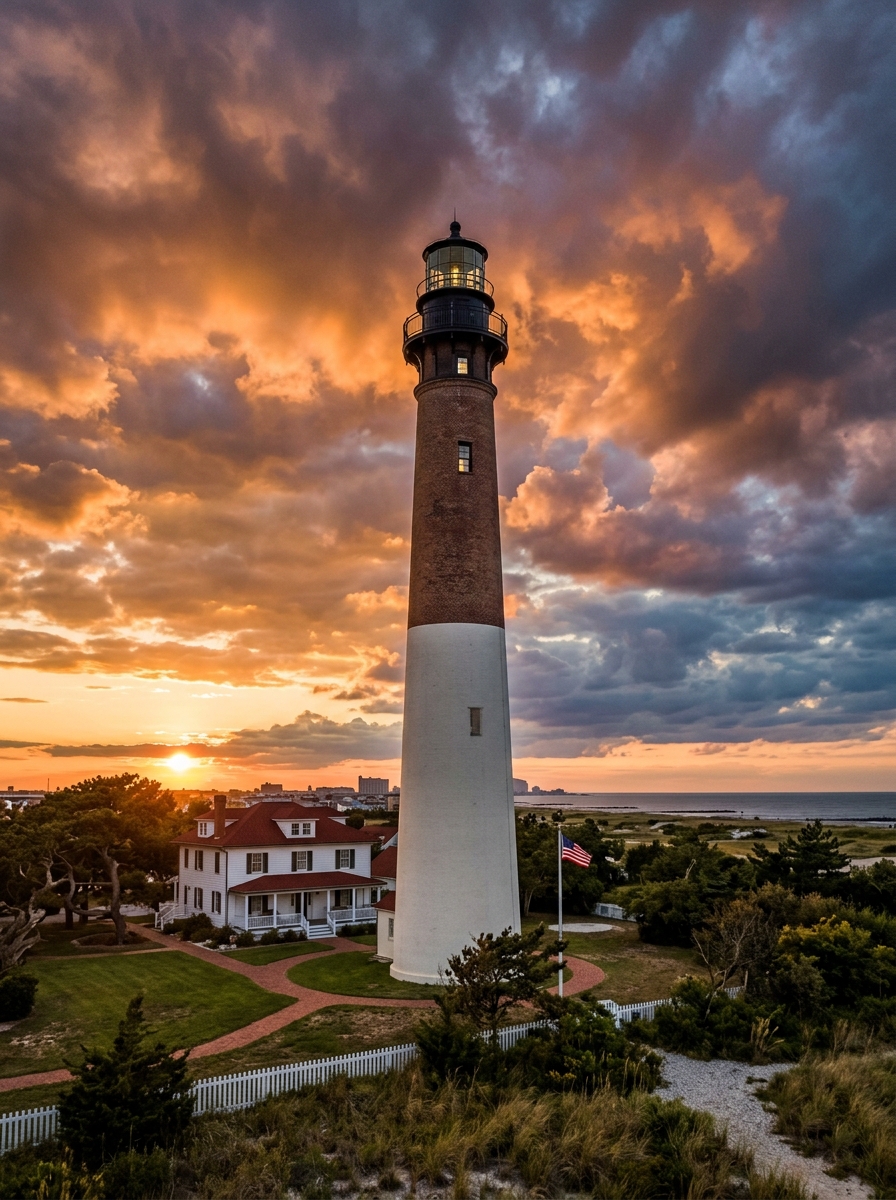
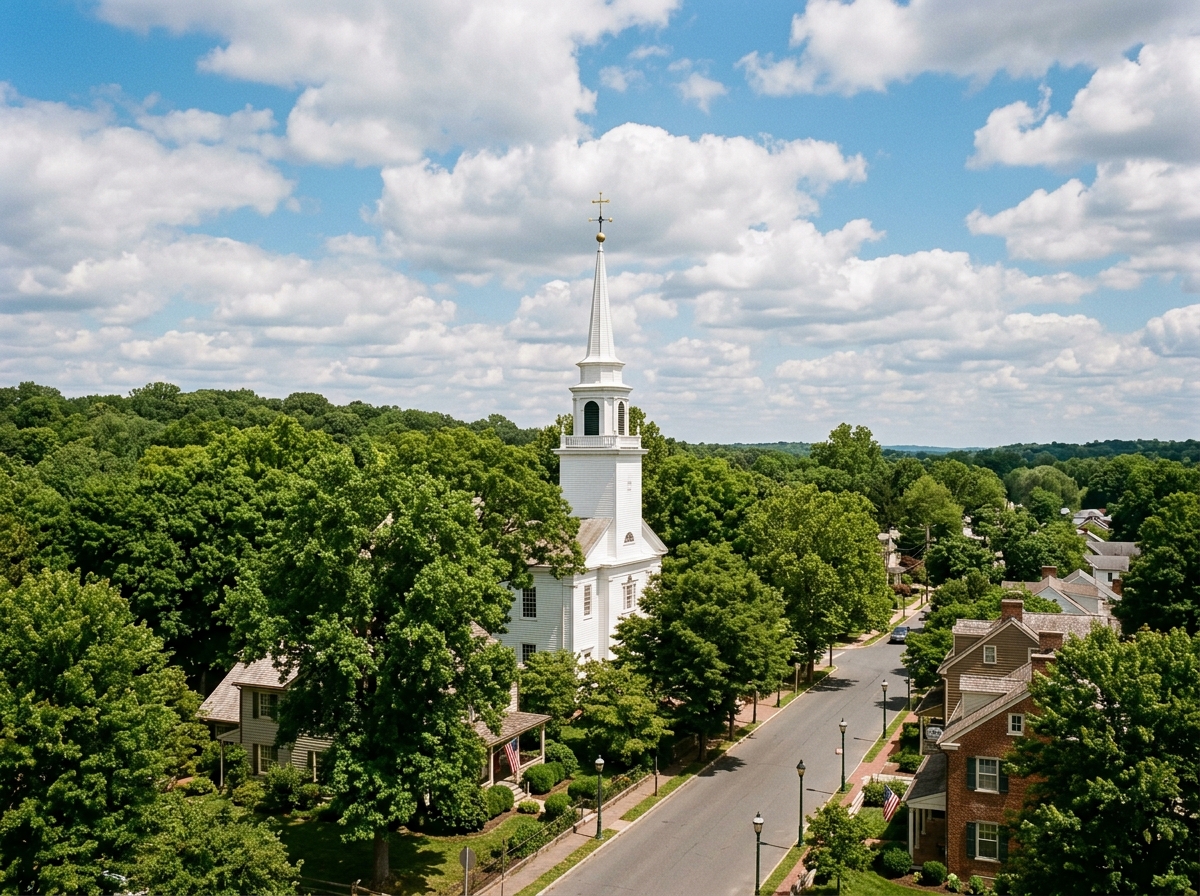
Long before Atlantic City drew its first crowds, Absecon was already marking the map. Incorporated in 1872, this compact city on the mainland side of Absecon Bay became the quiet anchor for a region that would later grow famous for spectacle. Absecon preferred substance.
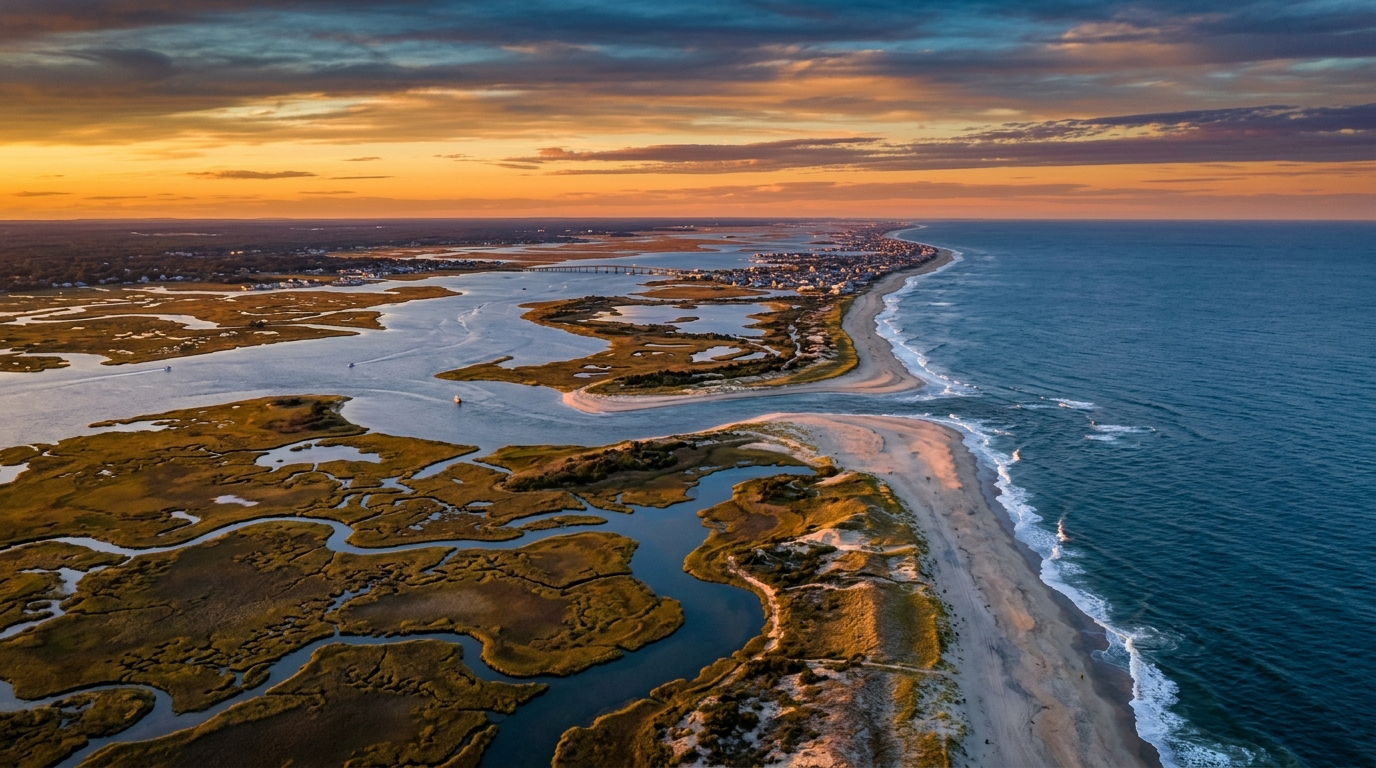
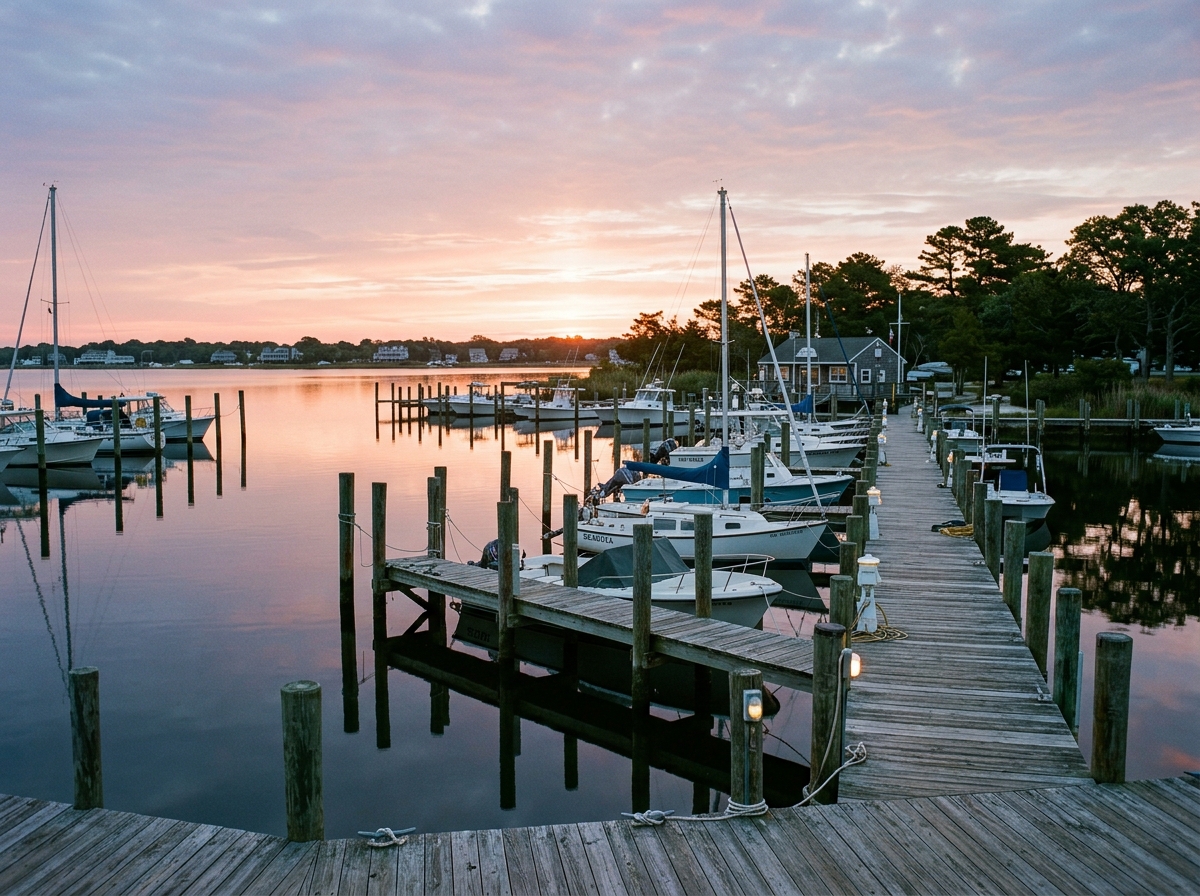
The Lenape called these marshlands home for centuries before European settlers arrived. The name itself — Absecon — derives from the Lenape word "Absegami," meaning "little water." That tidal connection still defines the city: brackish inlets, spartina grass, the particular smell of salt and cedar that greets you before any sign does.
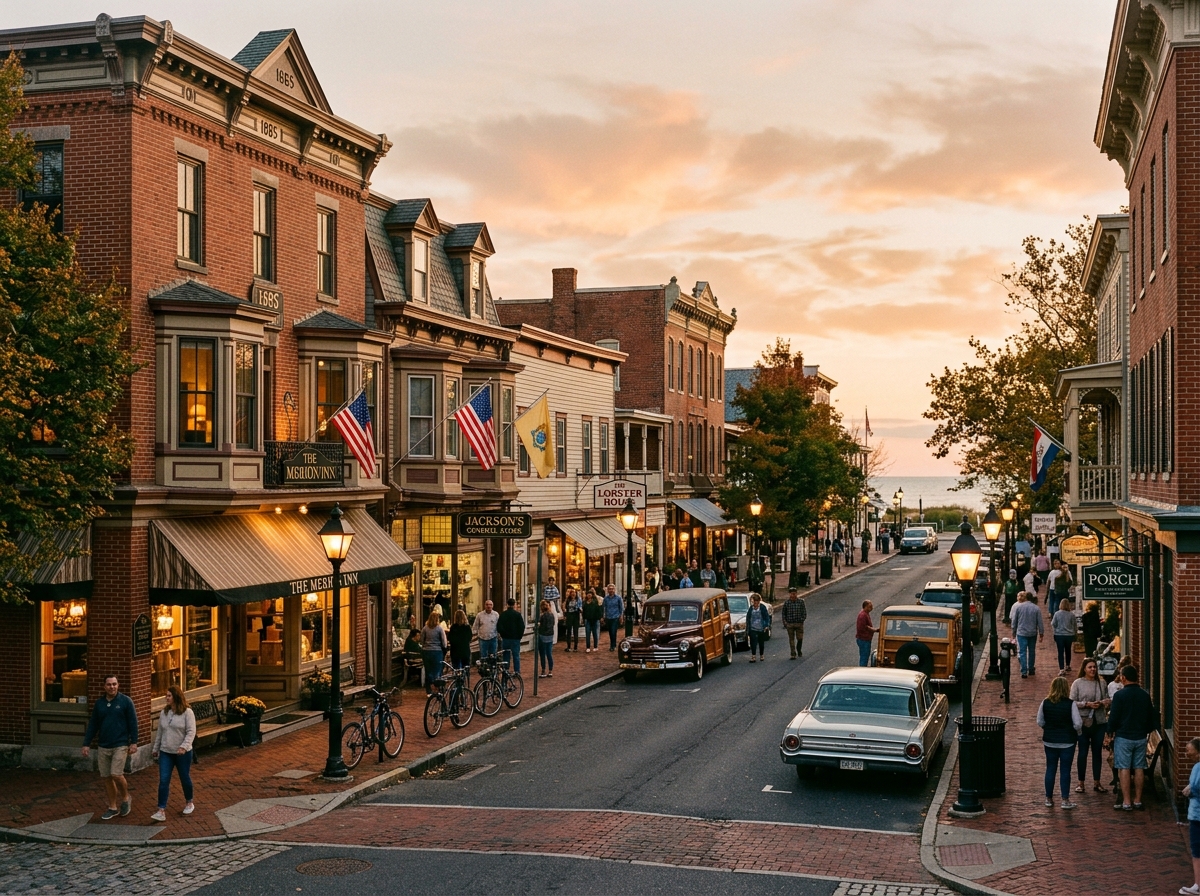
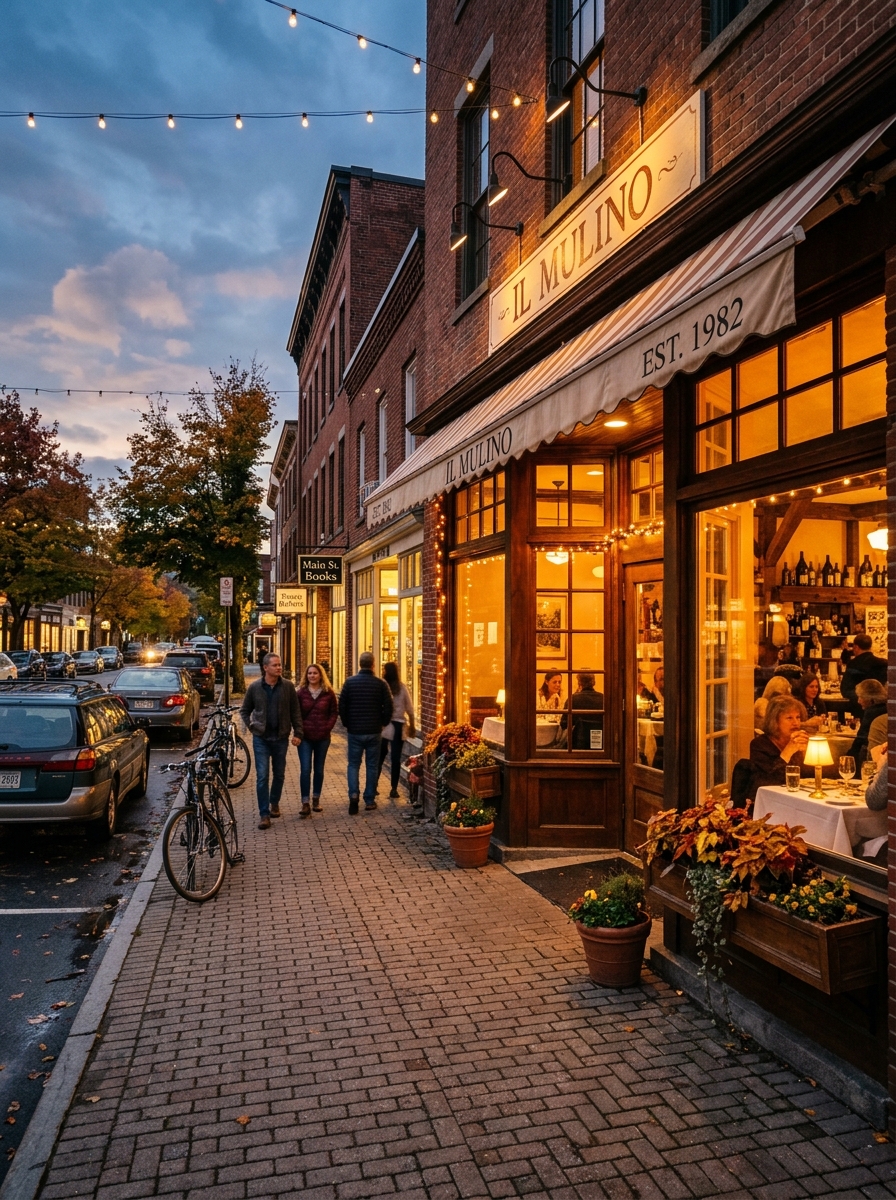
Italian-American families reshaped the city through the twentieth century, establishing restaurants, businesses, and a cultural identity that persists block by block. Their influence runs deeper than any historical marker can capture — it's in the bakeries, the family-run shops, the way neighbors still know each other by name.
Dr. Jonathan Pitney, the "Father of Atlantic City," lived right here in Absecon — it was from this very town that he campaigned for the railroad that would connect the shore to Philadelphia. The rails changed everything, and Absecon sat at their origin point.